
Discover the optimal time to visit Morocco with detailed weather insights, seasonal highlights, and expert touring advice for every month of the year
When is the Best Time to Visit Morocco? The Complete Answer
The best time to visit Morocco depends on your priorities, preferred activities, and tolerance for heat or crowds. However, April to May and September to November consistently offer the ideal combination of pleasant weather, manageable tourist numbers, and excellent touring conditions across all regions.
Morocco’s mean annual temperature is 17.5°C (63.5°F), with monthly averages ranging from 9.4°C in winter to 42°C in summer, but the country’s diverse geography means conditions vary dramatically between the Atlantic coast, Atlas Mountains, and Sahara Desert.
This comprehensive guide breaks down every month to help you choose the perfect time for your Moroccan adventure.
Morocco’s Climate Zones: Understanding Regional Differences
Before diving into monthly details, it’s crucial to understand Morocco’s three distinct climate zones:
Mediterranean Coast (Tangier, Tetouan, Al Hoceima): Mild winters, warm summers, moderate rainfall Atlantic Coast (Casablanca, Rabat, Essaouira): Temperate year-round, ocean-moderated temperatures Interior & Desert (Marrakech, Fez, Sahara): Hot summers, cool winters, minimal rainfall Atlas Mountains: Alpine conditions with snow in winter, pleasant summers at elevation
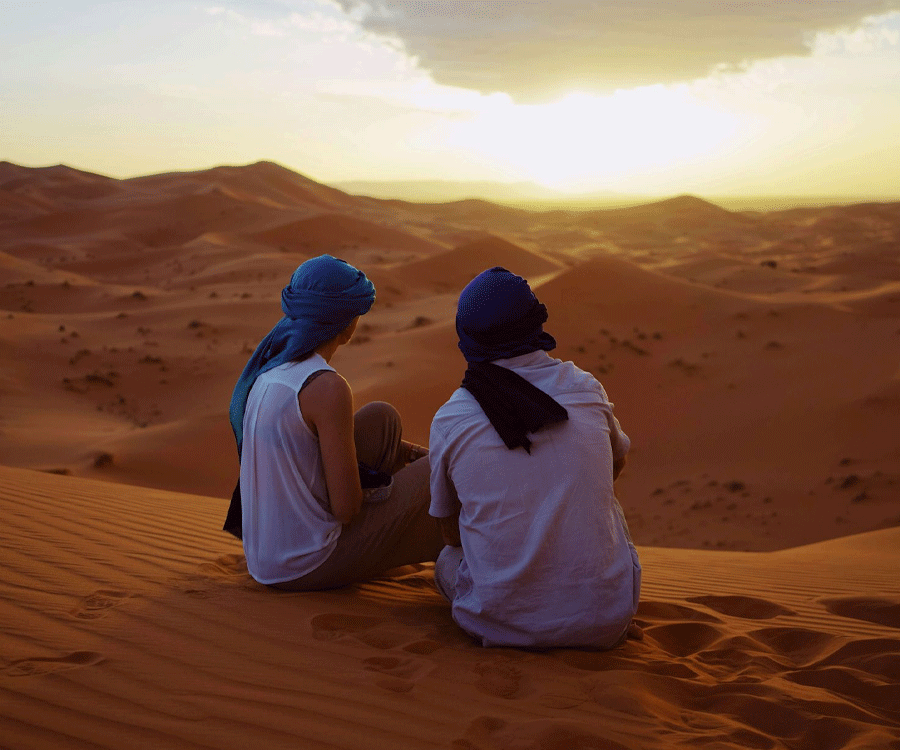
Month-by-Month Guide: Best Time to Visit Morocco
January – Winter Escape (Good for Desert & Cities)
Weather: Coastal temperatures range from 8°C to 30°C (46-86°F), while interior areas experience cooler conditions
- Coast: 15-20°C (59-68°F), occasional rain
- Cities: 10-18°C (50-64°F), crisp and clear
- Desert: 5-21°C (41-68°F), perfect daytime conditions
- Mountains: Cold with snow above 2,000m
Best For: Desert tours, imperial cities, fewer crowds
Avoid: Mountain trekking, coastal activities
Tourist Level: Low
Pricing: Excellent value
February – Late Winter Charm (Good)
Weather: Slight warming from January, subtle increase in precipitation with 38mm rainfall in cities like Marrakech
- Coast: 16-21°C (61-70°F)
- Cities: 12-20°C (54-68°F)
- Desert: 8-22°C (46-72°F)
- Mountains: Still cold, but improving
Best For: City exploration, desert experiences, cultural tours
Avoid: Beach activities, high-altitude trekking
Tourist Level: Low to moderate
Pricing: Good value
March – Spring Awakening (Excellent)
Weather: Spring arrives with visible transition in climatological parameters
- Coast: 18-23°C (64-73°F)
- Cities: 15-23°C (59-73°F)
- Desert: 12-26°C (54-79°F)
- Mountains: Mild, perfect for lower elevations
Best For: All activities, wildflowers in Atlas, comfortable touring
Avoid: Nothing major – excellent month overall
Tourist Level: Moderate
Pricing: Good value, pre-peak season
April – Peak Spring (Excellent)
Weather: Ideal conditions across most regions
- Coast: 20-25°C (68-77°F)
- Cities: 18-26°C (64-79°F)
- Desert: 16-30°C (61-86°F), perfect for camping
- Mountains: Excellent for trekking, snow melting
Best For: Everything – trekking, desert, cities, coast, photography
Avoid: Nothing – this is peak touring season
Tourist Level: High but manageable
Pricing: Moderate, rising toward peak
May – Late Spring Perfection (Excellent)
Weather: Consistently beautiful across all regions
- Coast: 22-27°C (72-81°F)
- Cities: 21-29°C (70-84°F)
- Desert: 20-34°C (68-93°F), getting warmer but still pleasant
- Mountains: Perfect hiking conditions
Best For: All activities, extended outdoor time, photography
Avoid: Nothing significant
Tourist Level: High
Pricing: Peak season rates
June – Early Summer Heat (Good to Fair)
Weather: Heat building, especially inland
- Coast: 24-29°C (75-84°F), comfortable with ocean breeze
- Cities: 25-33°C (77-91°F), getting hot
- Desert: 25-38°C (77-100°F), challenging midday heat
- Mountains: Excellent conditions above 1,500m
Best For: Coastal areas, early morning desert tours, mountain trekking
Avoid: Midday desert activities, extended city walking
Tourist Level: Moderate
Pricing: Shoulder season
July – High Summer (Fair to Challenging)
Weather: July is the driest month with minimal precipitation, intense heat inland
- Coast: 26-31°C (79-88°F), pleasant sea breeze
- Cities: 28-38°C (82-100°F), very hot
- Desert: Temperatures can soar well above 104°F (45°C)
- Mountains: Hot at lower elevations, pleasant above 2,000m
Best For: Coastal towns, high-altitude mountain areas
Avoid: Desert tours, extended city exploration, midday activities
Tourist Level: Lower due to heat
Pricing: Lower rates, summer deals
August – Peak Summer Heat (Challenging)
Weather: Hottest month, average temperatures reach 26°C nationally but much higher in desert regions
- Coast: 27-32°C (81-90°F)
- Cities: 30-40°C (86-104°F), oppressive heat
- Desert: Extremely hot, dangerous midday conditions
- Mountains: Best option during this month
Best For: Coast-only itineraries, mountain escapes
Avoid: Desert tours, imperial city exploration
Tourist Level: Low
Pricing: Lowest rates of the year
September – Autumn Revival (Excellent)
Weather: Heat breaking, comfortable return of touring weather
- Coast: 25-30°C (77-86°F)
- Cities: 26-32°C (79-90°F), much more manageable
- Desert: 22-35°C (72-95°F), returning to pleasant conditions
- Mountains: Perfect for all activities
Best For: All activities resuming, excellent photography light
Avoid: Nothing significant
Tourist Level: Rising as conditions improve
Pricing: Shoulder season, good value
October – Perfect Autumn (Excellent)
Weather: Ideal touring conditions return across all regions
- Coast: 22-27°C (72-81°F)
- Cities: 22-28°C (72-82°F)
- Desert: 18-32°C (64-90°F), perfect for camping
- Mountains: Excellent visibility, comfortable temperatures
Best For: Everything – touring, trekking, desert, photography
Avoid: Nothing – peak season returns
Tourist Level: High
Pricing: Peak season rates resume
November – Late Autumn Gold (Very Good)
Weather: November is the wettest month with precipitation varying from 15-98mm across regions
- Coast: 19-24°C (66-75°F), occasional rain
- Cities: 18-24°C (64-75°F)
- Desert: 14-28°C (57-82°F), excellent conditions
- Mountains: Clear days, some rain possible
Best For: Desert tours, city exploration, fewer crowds than October
Avoid: Beach activities, some mountain trekking due to rain
Tourist Level: Moderate to high
Pricing: High but starting to drop
December – Early Winter Retreat (Good)
Weather: Temperatures drop to annual lows around 9.4°C average
- Coast: 16-21°C (61-70°F)
- Cities: 12-19°C (54-66°F)
- Desert: 8-22°C (46-72°F), cool nights, pleasant days
- Mountains: Cold, snow common at 6,500 feet with lingering snowpack at highest elevations
Best For: Desert experiences, imperial cities, holiday escapes
Avoid: Beach activities, mountain trekking
Tourist Level: Moderate (holiday travelers)
Pricing: Moderate

Best Time to Visit Morocco by Activity
Desert Tours & Sahara Experiences
Optimal: October to April
Peak: November to March
Avoid: June to September (excessive heat)
Imperial Cities (Marrakech, Fez, Meknes, Rabat)
Optimal: March to May, September to November
Peak: April, May, October
Avoid: July and August (oppressive heat)
Atlas Mountains & Trekking
Optimal: April to June, September to November
Peak: May, September, October
Avoid: December to February (snow and cold)
Coastal Areas & Beach Time
Optimal: May to September
Peak: June to August
Avoid: December to February (cool and windy)
Photography & Cultural Tours
Optimal: March to May, September to November
Peak: April, May, October (perfect light and weather)
Avoid: Summer months (harsh light, heat haze)
Seasonal Considerations for Tour Planning
Spring (March-May): Peak Tourist Season
Advantages: Perfect weather, wildflowers, comfortable touring
Disadvantages: Higher prices, more crowds
Best for: First-time visitors, comprehensive tours
Summer (June-August): Hot Weather Challenge
Advantages: Lower prices, fewer crowds, great coastal conditions
Disadvantages: Extreme heat inland, limited desert activities
Best for: Coastal-focused trips, budget travelers
Autumn (September-November): Second Peak Season
Advantages: Excellent weather returns, good photography light
Disadvantages: Crowds return, prices increase
Best for: Desert tours, comprehensive Morocco experiences
Winter (December-February): Mild Season
Advantages: Mild temperatures, fewer tourists, good desert weather
Disadvantages: Cool evenings, some mountain areas inaccessible
Best for: Desert-focused tours, city exploration
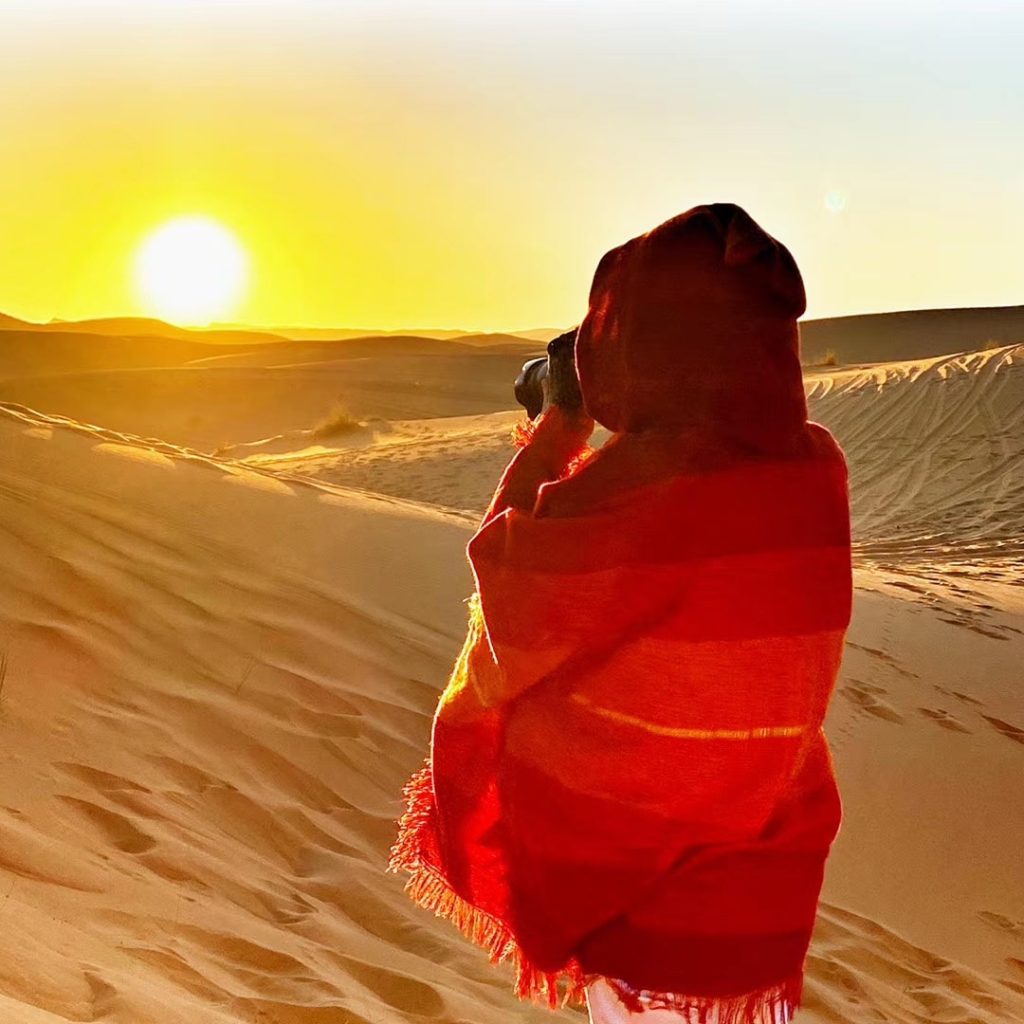
YoMorocco’s Seasonal Tour Recommendations
At YoMorocco, we adapt our tours to match seasonal advantages:
Spring Tours (March-May)
- Grand Morocco Circuit: All major destinations in perfect weather
- Atlas Mountain Adventures: Trekking when conditions are ideal
- Photography Expeditions: Capturing wildflowers and perfect light
Summer Tours (June-August)
- Coastal Morocco: Focus on Essaouira, Casablanca, and beach towns
- High Atlas Escapes: Cool mountain refuges from desert heat
- Cultural Immersion: Indoor experiences during hot afternoons
Autumn Tours (September-November)
- Desert Specialists: Perfect Sahara camping weather returns
- Harvest Season: Experience olive and date harvests
- Comprehensive Tours: All activities available again
Winter Tours (December-February)
- Desert Focus: Ideal conditions for Sahara exploration
- Imperial Cities: Comfortable urban exploration
- Cultural Deep-Dives: More time for indoor cultural experiences
Planning Your Perfect Timing
The best time to visit Morocco ultimately depends on your priorities:
For Perfect Weather Everywhere: April-May, September-October For Budget Savings: June-August, January-February
For Fewer Crowds: November-March For Desert Focus: October-April For Mountain Activities: April-June, September-November For Coastal Experiences: May-September
Expert Tips for Timing Your Morocco Trip
- Book Early for Peak Season: April-May and October reservations should be made 3-4 months in advance
- Consider Shoulder Seasons: March and November offer excellent conditions with fewer crowds
- Plan Regional Focus: Summer coast-focused trips can be excellent value
- Weather Flexibility: Build itineraries that can adapt to unexpected weather
- Local Events: Consider Ramadan timing and local festivals when planning
Ready to Visit Morocco at the Perfect Time?
Choosing the best time to visit Morocco requires balancing weather, crowds, pricing, and your personal preferences. At YoMorocco, our local expertise helps you optimize your timing for the perfect Moroccan experience.
Whether you’re drawn to spring’s perfect weather, autumn’s ideal touring conditions, or winter’s desert adventures, we’ll craft an itinerary that maximizes the advantages of your chosen travel dates.